
Software Development
Integration of Amazon Connect into a Workforce Management Solution
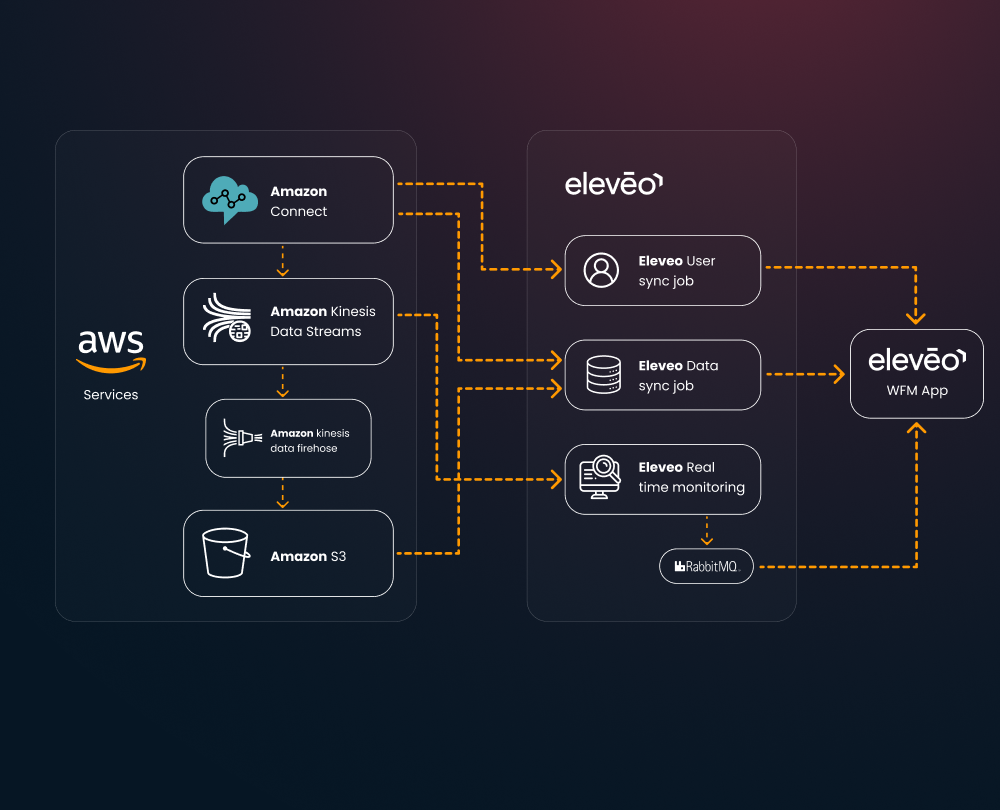
Our task was to design and implement a robust integration that would enable seamless collection and processing of both voice and digital interactions from Amazon Connect, their secure storage, further analysis, and utilization within the Workforce Management (WFM) solution.
What was the main challenge in this project?
At the technical level, it was not possible to read data directly from Amazon Connect, so we had to design a scalable data pipeline built on multiple AWS services to ensure the flow of data from Amazon Connect to Amazon S3 and its further processing. At the same time, it was essential to provide real-time agent monitoring and continuous service availability in a 24/7 mode. The high demands for reliability, availability, and global scalability required thorough coverage of the solution with integration and end-to-end tests to verify system behavior in real operational scenarios.
What was your solution or approach?
1. Business Requirements Analysis
We kicked off the project with a detailed analysis of the client’s business needs and their expectations for the integration between Amazon Connect and the WFM solution.
2. Integration Setup and Configuration Layer Preparation
In the next phase, we prepared the configuration and UI layer on the client side. This made it possible to set up the integration, manage access and keys, and oversee the import processes.
3. Architectural Decisions and Agile Adaptation
After a detailed analysis of the available endpoints and API services within the Amazon Connect platform, we found that there was no direct API for linking the data with the WFM system. As a result, we needed to design a custom integration solution built on a combination of multiple AWS services.
4. Implementation of Data Processes (Jobs)
The core of the solution consisted of four separate processes:
jobs focused on historical data import, aggregation, and adherence history processing,
one separate job within the microservices architecture, dedicated to real-time agent state processing (real-time adherence).
5. Solution Implementation and Stabilization
Once the architectural design was approved, we moved on to implementing the integration solution itself, including the processing of both historical and real-time data and their connection to the WFM system.
6. Testing and Quality Assurance
The solution went through rigorous testing, including unit tests, integration tests, and end-to-end tests covering real-life operational scenarios. The goal was to ensure high reliability, data consistency, and smooth 24/7 operation.
What was the outcome or impact for the client?
Thanks to regular syncs with both the client’s technical and business teams, new features were continuously validated, solutions were verified in practice, and the product’s acceptance criteria were met without delays.
The result of this close collaboration is a stable and scalable integration solution that enabled Eleveo to expand its WFM portfolio with full support for the Amazon Connect platform. At the same time, the solution created a solid technological foundation for further product development, faster onboarding of new customers, and secure 24/7 service operation.
Other case studies from Cassovia Code

E-commerce Development
Development of a Plugin for ONIX Integration for a UK Online Bookstore
APIREST APIwoocommerce
AI Development

Mobile App Development

Web & Software Development

E-commerce Development
Other software development case studies

Software Development

Software Development
Software Development
Software Development

Software Development
Software Development
KKodexo Labs
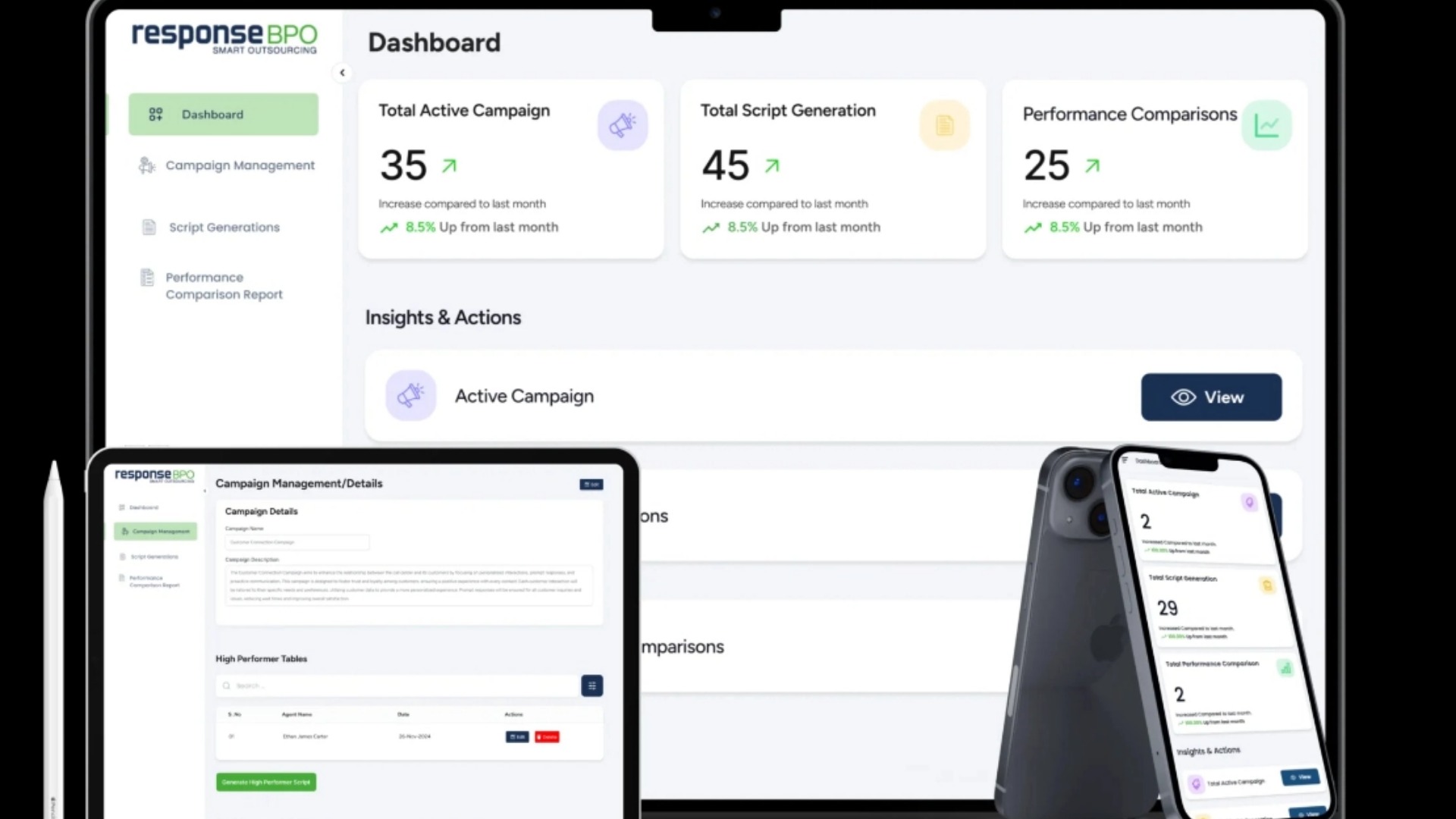
Response BPO – AI Call Analysis & Script Generation Tool
Artificial IntelligenceSoftware DevelopmentDesign+1
Project Details
C
Industry:SaaS & Software
Budget:$10,000 - $50,000
Duration:1 - 3 months
Project URLReactJavaSpringKubernetesDockerSelenideJUnit
Need similar services?
Agencies providing software development
Posted this
C
We bridge technology and business, delivering end-to-end digital products, simplifying challenges, and empowering clients with exactly what they need and what they can skip.
T
Creating software for business needs and growth
B
We design, we build, you scale.
P
Top Digital Marketing Agency In Canada
K
Expert Customized Software Solutions 🚀
M
Growth Partner for Strategic Innovation
S
Empowering Businesses Through AI-Powered Software Development
C
A design & development studio in Bangalore, India.